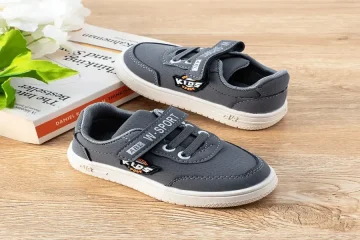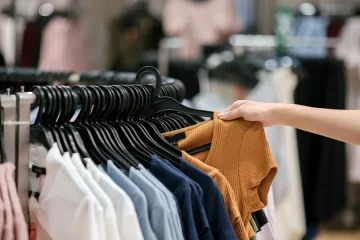
Sustainable clothing has become more than just a trend—it’s a movement. In today’s world, consumers are increasingly aware of the environmental and ethical impact of their purchases. As we continue to grapple with climate change and overconsumption, the fashion industry is slowly transitioning towards sustainability. The journey of sustainable clothing begins on the farm and, through a series of mindful, eco-conscious steps, eventually finds its way to your closet. Let’s explore this fascinating journey and understand how each phase contributes to the sustainability of the clothing we wear.
The Start of Sustainable Clothing: Farming and Raw Materials
The journey of sustainable clothing begins on the farm, where raw materials are cultivated and harvested. Organic cotton, hemp, linen, and other plant-based fibers are among the most popular options in sustainable fashion. The choice of materials plays a crucial role in the sustainability of the final product.
Organic Cotton: A Sustainable Alternative to Conventional Cotton
Traditional cotton farming is known for its heavy pesticide usage, which harms the environment and human health. In contrast, organic cotton is grown without synthetic chemicals. Farmers use crop rotation, natural fertilizers, and companion planting to maintain soil health, making organic cotton farming significantly more sustainable.
Organic cotton uses 91% less water than conventional cotton, which makes it a highly eco-friendly choice. In addition, it helps preserve biodiversity by avoiding harmful chemicals that can contaminate local ecosystems.
Hemp: The Eco-Warrior Fiber
Hemp is one of the oldest and most sustainable fibers known to humanity. Hemp requires less water, fewer pesticides, and grows quickly, making it a great alternative to cotton. It also enriches the soil as it grows, reducing the need for artificial fertilizers. Hemp is highly durable, breathable, and naturally resistant to mold and mildew.
Linen: The Timeless Sustainable Fiber
Linen is another sustainable fiber made from the flax plant, known for its low environmental impact. It requires minimal water and pesticides, and the plant can grow in poor soil conditions. Linen fibers are also biodegradable, ensuring that products made from linen will break down naturally at the end of their lifecycle.
Processing Raw Materials into Sustainable Fabrics
Once the raw materials are harvested, the next stage is processing. The way fibers are transformed into fabrics significantly impacts their environmental footprint. Sustainable fashion brands aim to minimize harmful practices during this stage.
Eco-Friendly Dyeing and Finishing Processes
One of the most polluting stages in clothing production is the dyeing and finishing process. Traditional dyeing methods often involve toxic chemicals that can contaminate water supplies. Sustainable brands, however, are turning to natural dyes derived from plants, insects, and minerals, reducing the need for harmful synthetic chemicals.
Waterless dyeing technology has also emerged, which eliminates the use of water and toxic chemicals altogether. This innovative method saves millions of gallons of water and reduces water pollution caused by the textile industry.
Recycling and Repurposing Fabrics
The fashion industry also increasingly focuses on recycling and repurposing existing fabrics to create new garments. Recycled polyester and recycled cotton are becoming more popular, offering a more eco-friendly alternative to producing new textiles from virgin fibers. These recycled fabrics not only help reduce waste but also require less energy and water during production.
Ethical Manufacturing: From Factory to Fabric
Sustainable fashion is not just about the environment; it’s also about ensuring fair wages and safe working conditions for the people who make the clothes. Ethical manufacturing practices are crucial in this journey. Sustainable fashion brands prioritize workers’ rights, paying fair wages and providing safe, healthy working conditions. Many brands are now implementing fair trade practices, ensuring that workers are treated with respect and dignity.
Local Sourcing and Transparent Supply Chains
Sustainable clothing often involves local sourcing and manufacturing. By sourcing materials locally, brands reduce the carbon footprint associated with transportation. Transparency in the supply chain is also a key feature of sustainable brands. Consumers can trace the entire journey of a garment, from farm to factory, ensuring it meets both environmental and ethical standards.
Sustainable Packaging: Reducing Waste
Once the garments are produced, the packaging comes into play. Traditional clothing packaging often consists of plastic and other non-biodegradable materials, contributing to waste and pollution. Sustainable fashion brands aim to use recyclable, compostable, or biodegradable materials for packaging. Some even offer zero-waste packaging options, where no plastic or unnecessary materials are used.
Conscious Consumerism: The Final Step in the Sustainable Journey
Once the garment is ready, it’s time to reach the consumer. However, sustainability doesn’t end at the point of sale. The way consumers care for their clothing significantly affects the garment’s overall environmental impact.
Washing and Caring for Sustainable Clothing
Washing clothes is one of the most water-intensive activities in the clothing lifecycle. To minimize the environmental impact of washing, consumers are encouraged to wash clothes less frequently and in cold water. Many sustainable fashion brands also offer guidance on eco-friendly washing methods that reduce the use of harmful detergents.
Longevity and Repair
One of the key tenets of sustainable fashion is durability. Sustainable clothing is designed to last longer, reducing the need for frequent replacements. Additionally, many brands now offer repair services or take-back programs to extend the life of their garments, helping to reduce clothing waste.
Recycling and Upcycling
When a garment does reach the end of its lifecycle, sustainable fashion encourages recycling and upcycling. Clothing can be recycled into new fabrics, reducing the demand for virgin materials. Alternatively, consumers can upcycle old garments, turning them into new items, thus giving them a second life.
The Future of Sustainable Clothing: A Vision for Change
The future of sustainable clothing holds tremendous potential. As more consumers demand eco-friendly and ethical options, the fashion industry is expected to continue its shift towards sustainability. Emerging technologies, such as lab-grown fabrics and 3D knitting, promise to revolutionize garment production by reducing waste and improving efficiency.
Sustainability Certifications and Labels
As consumers become more educated about sustainable practices, certifications and labels will become even more important. Brands that carry certifications like Global Organic Textile Standard (GOTS), Fair Trade Certified, or OEKO-TEX Standard 100 offer consumers the reassurance that their garments meet stringent environmental and ethical standards.
Conclusion
The journey of sustainable clothing from farm to closet is a complex process that involves careful consideration of environmental impact and ethical standards at every stage. From the choice of raw materials and eco-friendly manufacturing processes to ethical labor practices and responsible consumer behavior, each step plays a critical role in ensuring that the clothing we wear has a minimal environmental footprint.
By supporting sustainable fashion, we are not only making a positive impact on the planet but also ensuring that future generations can enjoy a healthier, more ethical fashion industry. The journey of sustainable clothing is one of conscious choices, innovation, and a commitment to the future of our planet.